
Alcohol Awareness
Standing Firm without Alcohol
You can still have fun and be social without alcohol, while staying in control of your choices. Confidence comes from knowing you’re doing whats best for yourself and not what others expect.

Dive In:
Let’s get into the facts
+350%
People who start drinking before age 15 are 3.5 times more likely to have alcohol use disorder (AUD) than those who wait till age 21 to drink.
88%
In 2023, 88% of high school students in Connecticut DID NOT drink alcohol within the past 30 days.
What is alcohol ?
When people refer to alcohol, they usually mean the type found in beer, wine, and liquor—the substance that causes intoxication. This alcohol, called ethanol, is produced when yeast ferments sugars from plants such as grains, fruits, or vegetables. For example, wine comes from fermented grapes, and vodka is made from fermented potatoes.
Like other drugs, alcohol changes how the body functions and can be toxic and addictive. Small amounts may make a person feel relaxed or happy, but alcohol is a depressant. It slows communication between the brain and body and affects thinking, emotions, and behavior.
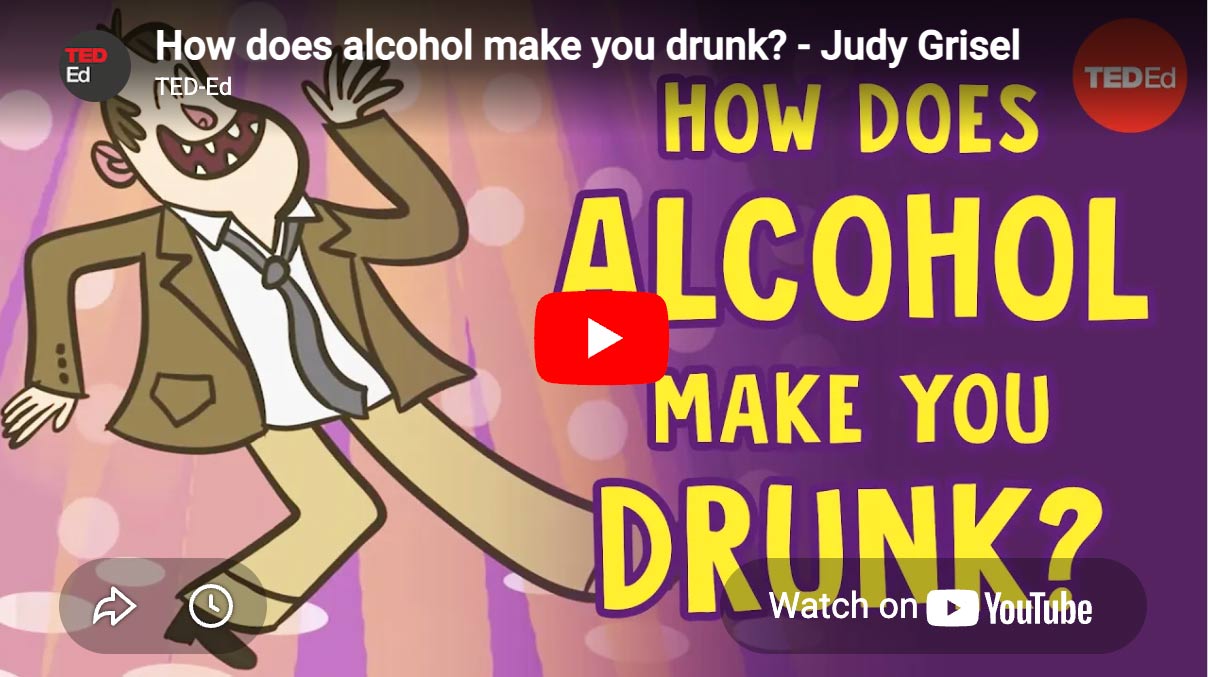
LEARN HOW ALCOHOL USE IS DEFINED:
Binge Drinking
For a typical adult, this pattern is defined as consuming five or more drinks for men or four or more drinks for women within roughly two hours.
Research indicates that youth can reach comparable blood alcohol concentrations with fewer drinks over the same period—approximately three drinks for girls and three to five drinks for boys, depending on age and body size.
Binge drinking =
these amounts in two hours:
FOR MEN
5 drinks
FOR WOMEN
4 drinks
FOR BOYS
3-5 drinks
FOR GIRLS
3 drinks
High-Intensity Drinking
A more extreme form of binge drinking characterized by consuming at least double the binge threshold in a single occasion—10 or more drinks for males or 8 or more drinks for females within a few hours.
High-intensity drinking =
these amounts in two hours:
FOR MEN
10 drinks
FOR WOMEN
8 drinks
Heavy (or Excessive) Drinking
Defined as a sustained pattern of alcohol consumption totaling 15 or more drinks per week for men and 8 or more drinks per week for women.
This includes any amount of alcohol consumed for people under 21 and any amount of alcohol consumed by pregnant women.
Heavy drinking =
these amounts in a WEEK:
FOR MEN
15 drinks
FOR WOMEN
8 drinks
Tips for How to Say No to Alcohol
Direct/Clear and simple statements:
- “No thanks—I don’t drink.”
- “I’m good without alcohol.”
- “I don’t want to.”
Why statements work: Short statements reduce negotiation. Confidence matters more than explanation.
Reason-based statements:
- “I have a game/work/school thing tomorrow.”
- “I’m driving.”
- “My parents would kill me.” (common and effective)
- “I’m on medication.”
Alternatives to drinking:
- Clubs/ extracurriculars
- Sports/ exercise
- Listening to music
- Learning a new skill (ex: cooking/baking)
- Going on a walk
1.7 mil.
In 2024, 6.6 percent of adolescents (or 1.7 million people) used alcohol in the past month.
2nd
Young adults in Connecticut ages 18-25 have the second highest rate of reported past month alcohol use (58.5%) in 2021.
42 min.
Every day, about 34 people in the United States die in drunk-driving crashes — that’s one person every 42 minutes
Dangers of Underage Drinking
Early alcohol use can to lifelong consequences like:
- Memory and learning problems
- Addiction
- Risky behaviors (e.g., DUI, unsafe sex, drowning)
- Trouble with school or the law
- Mental health struggles
Research Shows…
People who start drinking before age 15 are at a higher risk for developing Alcohol Use Disorder (AUD) later in life.
AUD is an impaired ability to stop or control alcohol use despite adverse social, occupational, or health consequences… AUD can be mild, moderate, or severe.
But…
- Early drinking is a strong predictor, not a guarantee
- Shared risk factors (genetics, environment) also contribute
- Delaying initiation is one of the most effective protective factors
BAC Effects on the Body
| 0.01 – 0.03 | You may feel slightly warm, calm, and mildly uplifted, with reduced shyness but no noticeable loss of coordination. If you are under 21, driving after any alcohol is illegal. Returning to a BAC of 0.0 may take up to 2 hours. |
| 0.04 – 0.07 | You’re likely relaxed, more talkative, and mildly euphoric. Inhibitions are lowered, and judgment, memory, and reasoning may begin to decline. Coordination can be slightly affected. In Utah, driving is illegal at 0.05 BAC. It may take up to 6 hours to return to a BAC of 0.0. |
| 0.08 – 0.09 | Balance and speech may be affected. Judgment, self-control, risk assessment, and memory are clearly impaired. Driving is illegal at 0.08 BAC in all U.S. states and Washington, DC. It may take up to 10 hours to return to a BAC of 0.0. |
| 0.10 – 0.11 | You may overestimate your abilities and feel more confident than warranted. Loud or inappropriate behavior is more likely, and reaction time is significantly slowed. Driving or making important decisions is unsafe. Returning to a BAC of 0.0 may take up to 12 hours. |
| 0.12 – 0.14 | Clear signs of intoxication are present. Clumsiness increases, and judgment, memory, vision, hearing, and reaction time worsen. Driving or decision-making is extremely unsafe. It may take up to 14 hours to return to a BAC of 0.0. |
| 0.15 – 0.19 | Blackouts or significant memory gaps are likely. Speech, vision, reasoning, and motor control are severely impaired. Physical coordination is greatly reduced. Driving or decision-making is dangerous. It may take up to 16 hours to return to a BAC of 0.0. |
| 0.20 – 0.24 | You are heavily intoxicated and may require help to walk or stand. Tremors, spilling drinks, nausea, or vomiting are common as the body attempts to rid itself of alcohol. There is a high risk of passing out. Returning to a BAC of 0.0 may take up to 18 hours. |
| 0.25 – 0.30 | You are severely intoxicated, need assistance walking, experience mental confusion, dysphoria with nausea and some vomiting. Returning to a BAC of 0.0 may take up to 20 hours. |
| 0.35 – 0.40 | In this percentage range, you’ll likely have alcohol poisoning, a potentially life-threatening condition, and experience loss of consciousness. Returning to a BAC of 0.0 may take up to 22 hours. |
See How Much You Know
Social Hosting Laws
Crime for any person who owns or controls a property (ex, homeowners, renters) to knowingly permit a minor to possess or consume alcohol and/or cannabis on the premises.
Applies even if:
KNOW THE COST : ARRESTS & LAWSUITS
Penalties: Class A misdemeanor (pretty serious), up to 1 year in jail, up to a $2,000 fine and possible probation
If the police find out minors were drinking at your house—even at something like a holiday party—you (or your parents) could get arrested
If someone gets hurt while drunk or high, you/your family could also get sued